
Interior Design on a Budget: Where to Save and Where to Spend
Introduction
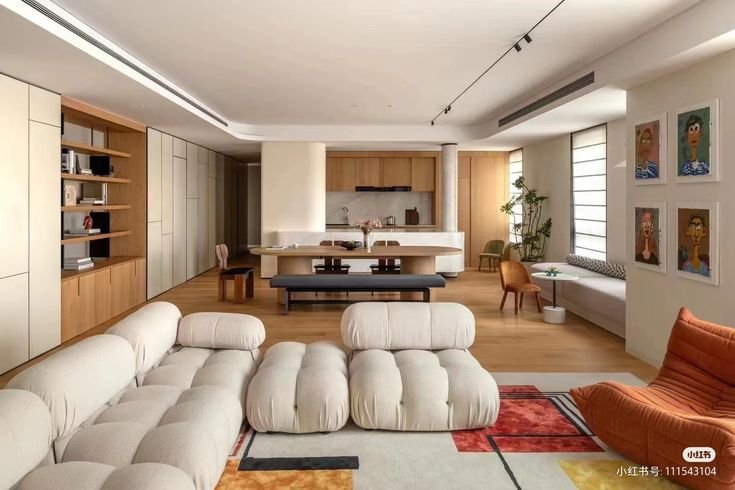
Creating a beautiful home doesn’t have to mean spending a fortune. With smart planning and thoughtful choices, you can achieve a stylish and functional interior while staying within your budget. The secret isn’t always spending less—it’s spending wisely. Some elements of your home deserve a larger investment because they offer long-term value, while others can be updated affordably without sacrificing style.
Whether you’re decorating your first apartment, renovating your family home, or simply refreshing a room, understanding where to save and where to spend can help you make better financial decisions. This guide highlights the areas worth investing in and the ones where budget-friendly alternatives work just as well.
Why Budget Planning Matters
Before buying furniture or choosing paint colors, establish a realistic budget.
A good budget helps you:
- Avoid overspending.
- Prioritize essential purchases.
- Plan room by room.
- Leave room for unexpected expenses.
- Create a balanced design without financial stress.
A well-planned budget often leads to better long-term results than making impulsive purchases.
Where to Spend
1. Invest in Quality Furniture
Furniture is used every day, making it one of the most worthwhile investments.
Consider spending more on:
- Sofas
- Beds and mattresses
- Dining tables
- Office chairs
High-quality furniture lasts longer, provides better comfort, and often saves money by reducing replacement costs.
2. Don’t Compromise on Lighting
Lighting affects both the appearance and functionality of your home.
Invest in:
- Pendant lights
- Floor lamps
- Energy-efficient LED fixtures
- Task lighting
Well-designed lighting can completely transform a room.
3. Durable Flooring
Flooring experiences constant wear, making durability essential.
Popular long-lasting options include:
- Hardwood
- Engineered wood
- Luxury vinyl flooring
- High-quality tiles
Choosing durable flooring reduces future maintenance and replacement costs.
4. Professional Help for Major Projects
For structural renovations or complete home redesigns, hiring an experienced interior designer or contractor can help avoid expensive mistakes and improve project efficiency.
Where to Save
1. Decorative Accessories
Small décor items can easily be updated over time.
Save money by choosing affordable:
- Vases
- Candles
- Picture frames
- Decorative bowls
- Cushions
Mix budget-friendly pieces with one or two statement items for a polished look.
2. Wall Art
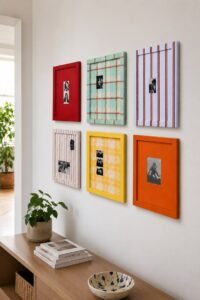
Instead of expensive original artwork, consider:
- Printable art
- Framed photography
- DIY artwork
- Affordable gallery wall sets
Large artwork doesn’t have to come with a high price tag.
3. Paint
A fresh coat of paint offers one of the highest returns for a relatively low cost.
Choose timeless colors that work well with different décor styles.
4. Home Décor Trends
Trendy accessories often go out of style quickly.
Instead of investing heavily in trends:
- Update cushion covers.
- Change table décor.
- Replace rugs.
- Add seasonal accessories.
This keeps your home looking current without major expenses.
Smart Ways to Save Money
Stretch your budget further with these ideas:
- Shop during seasonal sales.
- Compare prices before purchasing.
- Buy second-hand furniture with good quality.
- Repurpose existing furniture with paint or new hardware.
- Focus on one room at a time.
- Invest gradually rather than decorating everything at once.
Small, consistent improvements often create the best results.
Budgeting Tips for Every Room
Living Room
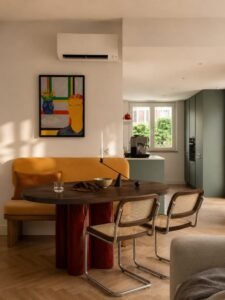
Spend on: Sofa, lighting
Save on: Cushions, decorative accessories
Bedroom
Spend on: Mattress, bed frame
Save on: Bedding, artwork
Kitchen
Spend on: Appliances, cabinets
Save on: Storage containers, decorative items
Bathroom
Spend on: Fixtures, waterproof materials
Save on: Towels, mirrors, accessories
Common Budget Mistakes to Avoid
Avoid these common mistakes:
- Buying everything at once.
- Choosing the cheapest option for major furniture.
- Ignoring quality when purchasing frequently used items.
- Following short-lived design trends.
- Forgetting to include unexpected costs in your budget.
Careful planning helps prevent costly decisions later.
Conclusion
Interior design on a budget is all about making informed decisions. By investing in high-quality essentials such as furniture, flooring, and lighting while saving on décor, accessories, and seasonal updates, you can create a home that feels stylish, comfortable, and functional without exceeding your budget.
Remember that great interior design isn’t defined by how much you spend—it’s about thoughtful planning, selecting quality where it matters most, and creating a space that reflects your lifestyle. With patience and smart budgeting, you can build a beautiful home that you’ll enjoy for years to come.